Atmospheric Pressure Dynamics and Their Role in Shaping Athletic Outputs During Outdoor Competitions
Amir Albrecht · Jul 1, 2026
Atmospheric Pressure Dynamics and Their Role in Shaping Athletic Outputs During Outdoor Competitions
Atmospheric pressure shifts occur regularly across regions where outdoor athletic events take place, and researchers have documented connections between these changes and measurable performance indicators in disciplines such as distance running, cycling, and open-water swimming; the patterns emerge most clearly when analysts compile data from multi-day competitions where athletes compete across varied terrains and weather systems.
Core Mechanisms Linking Pressure to Physical Responses
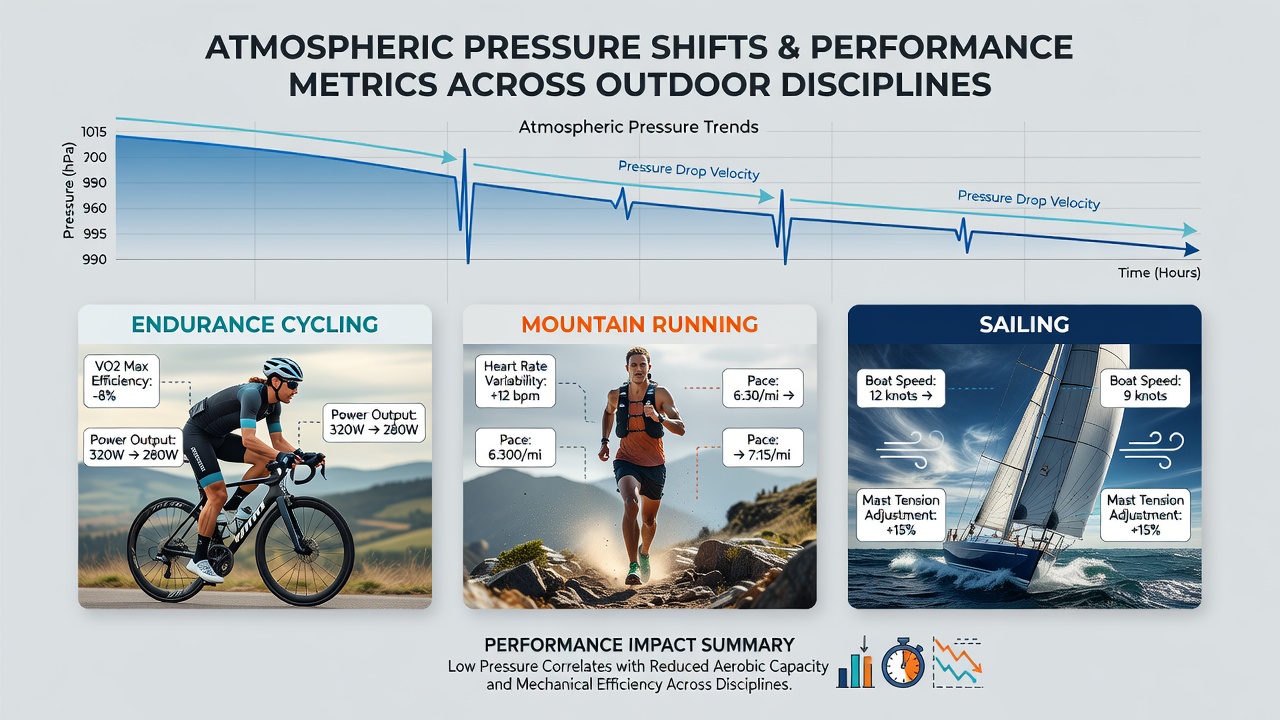
Barometric pressure influences oxygen availability at sea level and higher elevations, while rapid drops often coincide with increased humidity and wind patterns that alter thermoregulation during prolonged exertion, and studies from institutions like the University of Calgary have tracked heart rate variability and lactate thresholds under fluctuating conditions to isolate these effects from temperature alone.
Athletes in endurance events experience subtle adjustments in respiratory efficiency when pressure falls ahead of weather fronts, because lower readings reduce partial pressure of oxygen even without altitude gain, and this leads to earlier onset of fatigue in events lasting beyond ninety minutes, whereas stable high-pressure systems tend to support steadier pacing as oxygen diffusion remains consistent.
Discipline-Specific Performance Data Patterns
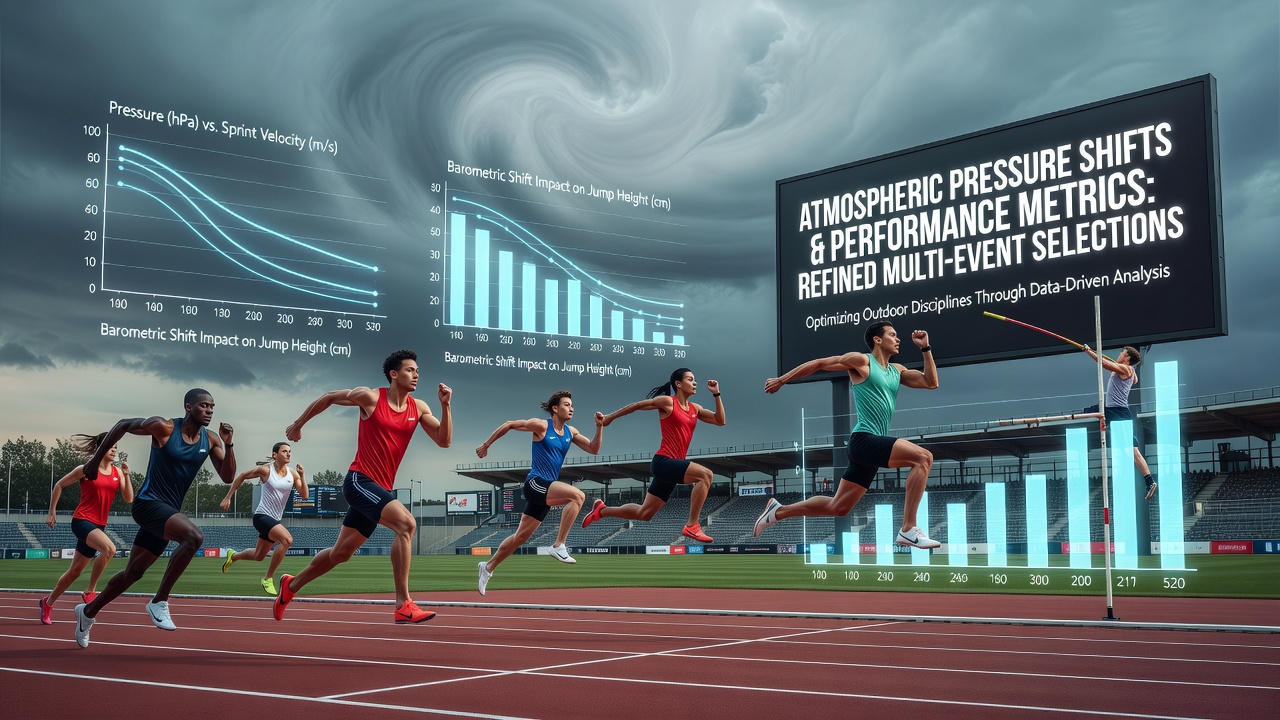
Track and field multi-event athletes, including decathletes, show measurable differences in throwing distances and jump heights when pressure rises or falls between morning and afternoon sessions, with data sets from European championships indicating that discus and javelin performances improve slightly under rising pressure due to reduced air density that allows implements to travel farther before drag takes effect.
Cyclists in stage races encounter headwinds amplified by pressure gradients across mountain passes, and organizations such as the Australian Institute of Sport have recorded power output declines of three to five percent during low-pressure periods accompanied by increased precipitation, while time-trial specialists maintain higher wattage averages when pressure remains steady throughout the effort.
Applications for Multi-Event Selection Processes
Coaches and selectors responsible for choosing teams in combined competitions such as triathlons or modern pentathlons incorporate pressure forecasts into preparation models because historical performance logs reveal that certain athletes maintain split times more effectively than others when systems move through competition venues, allowing refined shortlists that prioritize individuals whose metrics hold steady across pressure bands.
Recent monitoring during qualification windows leading into July 2026 events has highlighted how pre-competition pressure drops correlate with increased recovery demands between rounds, prompting analysts to adjust expected thresholds for events like rowing and kayaking where water surface conditions shift alongside atmospheric readings.
Integrating Broader Environmental Data Sets
Combining pressure readings with wind vectors and humidity indices produces more accurate predictive models, and reports from the European Centre for Medium-Range Weather Forecasts demonstrate that integrated datasets reduce variance in projected finish times by up to twelve percent compared with temperature-only adjustments; selectors then apply these refined projections when ranking candidates for final rosters in outdoor multi-sport formats.
Observations from North American collegiate circuits further illustrate that sprinters and jumpers exhibit smaller performance deviations under pressure changes than endurance specialists, because explosive efforts last seconds rather than hours and therefore remain less sensitive to gradual oxygen shifts, yet field-event athletes still register minor gains in horizontal jumps during high-pressure stability windows.
Conclusion
Atmospheric pressure shifts supply measurable context for performance metrics across outdoor disciplines, and organizations preparing multi-event selections increasingly draw on these environmental correlations to refine athlete pools, with data continuing to accumulate from competitions scheduled through 2026 and beyond.