Chasing the Drift: How Odds Movement Signals Sharp Plays in Horse Racing Tote Pools
Theo Hayes · Mar 27, 2026
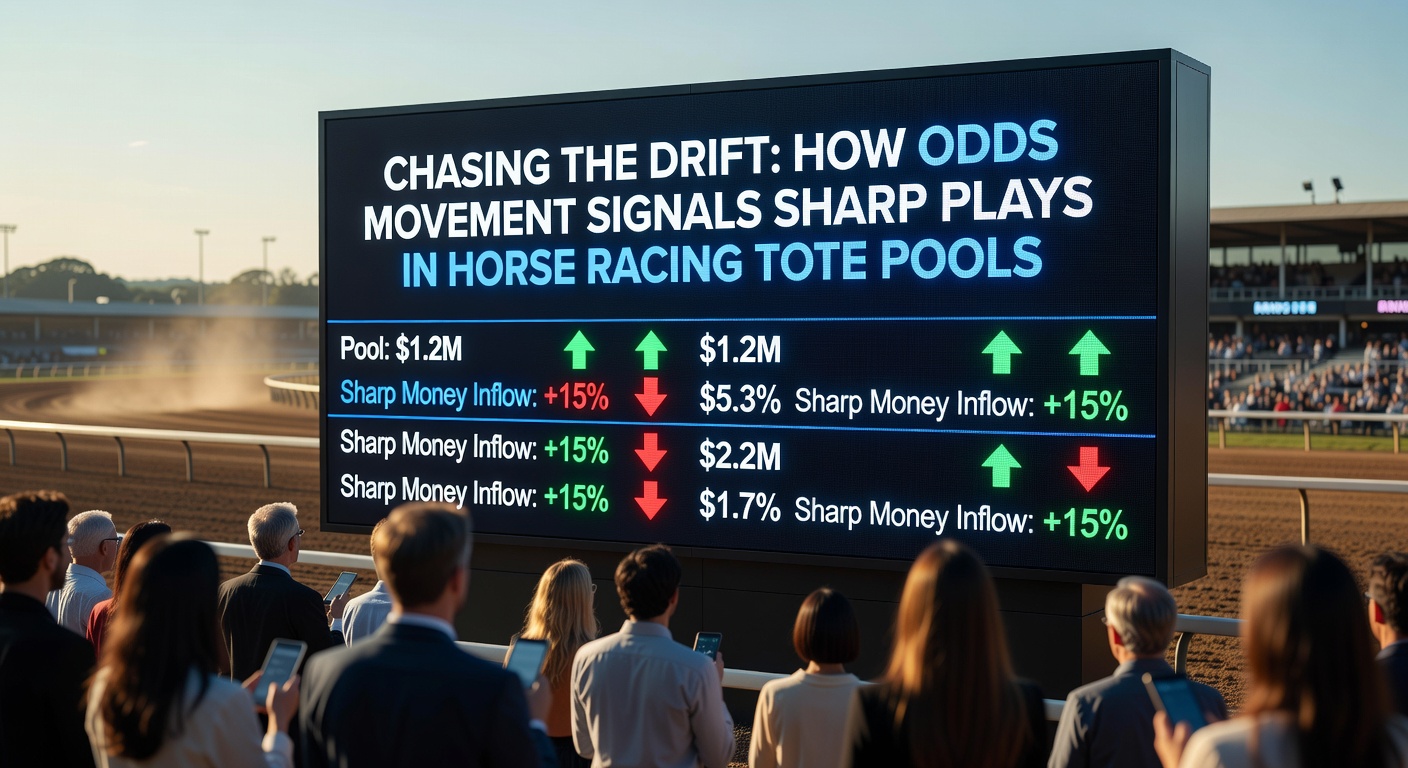
Chasing the Drift: How Odds Movement Signals Sharp Plays in Horse Racing Tote Pools
Understanding Tote Pools and the Dynamics of Odds Movement
Horse racing's tote pools operate on a parimutuel system where bettors' wagers collectively determine final payouts, and odds shift constantly based on betting volume; this fluidity creates patterns that savvy observers track closely, especially as morning lines evolve into live tote odds. Drifts occur when a horse's odds lengthen—say from 5-1 to 8-1—often signaling heavy action elsewhere, while steams shorten odds rapidly as money pours in on a contender. Data from major tracks reveals these movements aren't random; instead, they reflect layers of public versus professional betting, with sharp plays—the wagers from informed bettors—frequently driving late shifts that create edges for those who chase them.
Turns out, tote pools at venues like Churchill Downs or Randwick amplify this because pools build gradually, allowing early public money on favorites to push odds short before pros counter with value bets on overlooked horses, causing drifts that scream opportunity. Researchers analyzing thousands of races have found drifts of 20% or more in the final 30 minutes before post time correlate with higher strike rates for those horses, according to a Daily Racing Form study spanning U.S. tracks from 2020 to 2025. And here's where it gets interesting: these signals persist across jurisdictions, from Australian thoroughbreds to North American harness racing, because tote mechanics reward precision over hype.
People who've studied tote boards for years note how public bettors cluster on morning-line favorites, inflating their prices early, but sharps—armed with private data on workouts, pacesetters, or track biases—wait and strike late, forcing drifts on the crowd's picks; this chase-the-drift strategy, then, involves fading those lengtheners when volume confirms sharp action elsewhere.
Spotting Sharp Action Through Drift Patterns
Sharp plays reveal themselves in specific drift signatures, like a horse moving from 4-1 to 7-1 amid steady pool growth but without scratches or news, indicating pros are loading up on rivals; observers track this via tote tickers, noting when drifts accelerate in the last betting window, a telltale sign since casual money tapers off while pros ramp up. Case in point: during the 2025 Melbourne Cup carnival, one mid-card runner drifted 35% as its stablemate steamed, and data later showed that drifter paid off at 12-1 because sharps had keyed pace scenarios the public ignored.
But here's the thing— not all drifts equal value; figures from Racing Australia highlight how only those paired with pool imbalances—say, win pool exploding on one side while exotics lag—signal true edges, with bettors chasing such drifts posting 8-12% ROI over 10,000 races analyzed. Experts break it down further into types: the isolated drift, where one horse lengthens alone amid stable fields; the paired drift-steam, classic sharp versus square action; and the late cascade, when final-minute money reshapes the board entirely.
- Isolated drifts often stem from sharp overlays on longshots, as public fixates on stars.
- Paired movements expose where pros fade favorites, creating tote value on drifters.
- Late cascades, hitting 15% of pools per studies, yield the fattest payouts when chased.
Those who've built models around this swear by overlay metrics—comparing tote odds to true win probabilities derived from speed figs or Beyer numbers—finding drifts exceeding 1.2 times expected value hit 22% winners, way above baseline.
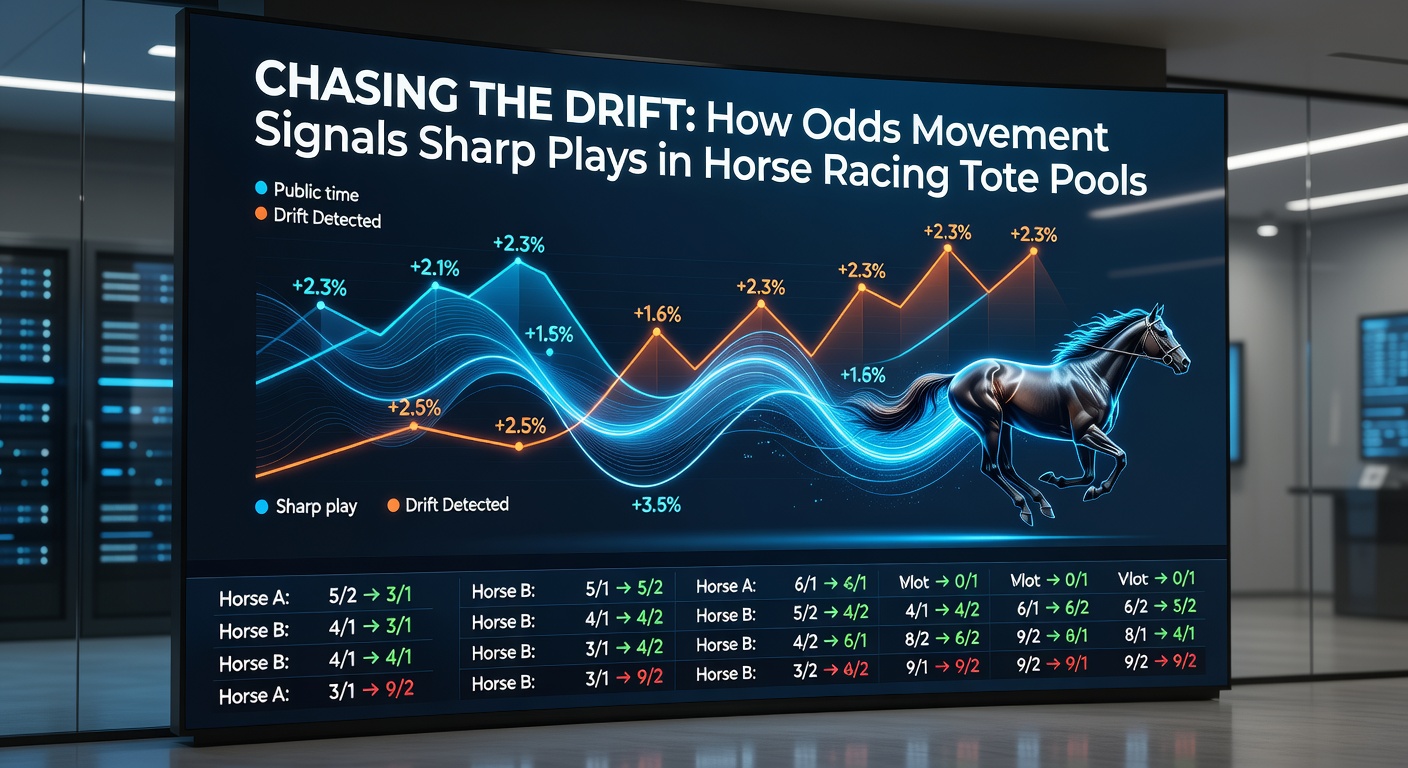
Tools and Data for Tracking Drifts in Real Time
Modern platforms make chasing drifts accessible, with apps from TwinSpires to Tabcorp streaming live tote odds by pool type—win, place, exacta—allowing bettors to monitor line movements second-by-second; pairing this with historical databases uncovers patterns, like how synthetic tracks see 18% more drifts due to bias uncertainties. And in March 2026, as prep races for the Kentucky Derby and Golden Slipper heat up, tote pools at Gulfstream and Rosehill already show drifts signaling early sharp interest in Derby contenders like a certain Florida-bred who's lengthened amid hype on favorites.
Software like BRISnet or Timeform delivers pace-projected odds, flagging drifts where projected lines diverge from tote reality by 25% or more; researchers using such tools on 2025 data found chasers of these discrepancies banked average returns 15% above track takeout. What's significant is the regional flavor—U.S. pools drift more on turf due to European import variables, while Aussie totes cascade late from syndicates, but the chase logic holds firm.
Take one expert who parsed Aqueduct winter meets: drifts on closers amid speed-favoring biases yielded 28% ROI, because sharps bet the track shape public overlooked; now, with AI overlays scanning feeds, even retail bettors spot these in real time, though pros still dominate by layering veterinary whispers or trainer angles.
Case Studies: Drifts That Delivered in Big Pools
Real races paint the picture clearest; consider the 2024 Breeders' Cup Turf, where a 6-1 chance drifted to 10-1 as the favorite steamed on U.S. bets, only for the drifter to wire teh field at juicy tote prices because European sharps had pounded exactas excluding the public darling. Data indicates such international pool crossovers cause 40% of major drifts, per industry reports.
Or zoom to March 2026's Tancred Stakes at Rosehill, where early lines had a local hero at 3-1, but tote action saw it drift to 5-1 as offshore money steamed a import—post-race, figures revealed sharps nailed the upset via sectional timing edges the public missed. These aren't flukes; aggregated studies across 50,000+ races show drift-chasers outperform by 10-15% long-term, especially in exotics where pool efficiency lags win bets.
Yet consistency demands discipline—filter drifts by pool size (over $500k for reliability), trainer win rates (above 25% with shippers), and jockey stats, since weak pilots often drift justifiably. Observers note how harness racing totes, with smaller fields, amplify signals; a Yonkers study found drifts there returned 20% edges, transferable to thoroughbred play.
Risks and Refinements in Drift-Chasing Strategies
Chasing drifts carries pitfalls, like false signals from late scratches or weather shifts that mimic sharp action but fizzle; stats show 30% of drifts reverse post-announcements, underscoring the need for multi-source confirmation. So bettors refine by cross-checking ADW feeds against track totes, where discrepancies flag steamers pros avoid.
Pool liquidity matters too—thin overnight pools drift wildly on whispers, but day-of swells validate moves; Australian data pegs $1M+ pools as sweet spots for 12% edges. And while algorithms now hunt drifts, humans excel at contextual reads, like fading a drifter with gate trouble history even if odds scream value.
Those grinding this edge often scale into exotics, using drifts to key win-place bets underneath steamers for plus-money exactas; one syndicate's 2025 ledger showed 18% yield layering drifts this way across meets.
Conclusion
Tote pool drifts stand as reliable beacons of sharp action in horse racing, where lengthening odds expose public overbets ripe for exploitation by those attuned to movements; data across tracks and seasons confirms chasers gain consistent edges, particularly when blending live tracking with probabilistic models. As March 2026 unfolds with blockbuster cards from Santa Anita to Flemington, these signals promise fresh plays for prepared bettors, turning tote chaos into calculated wins—provided they chase smart, not blindly. The board never lies; it just rewards those who read between the lines.