Cross-Country Fatigue and Altitude Effects in College Basketball: Live Wager Adjustments
Rafael Albrecht · Aug 19, 2026
Cross-Country Fatigue and Altitude Effects in College Basketball: Live Wager Adjustments
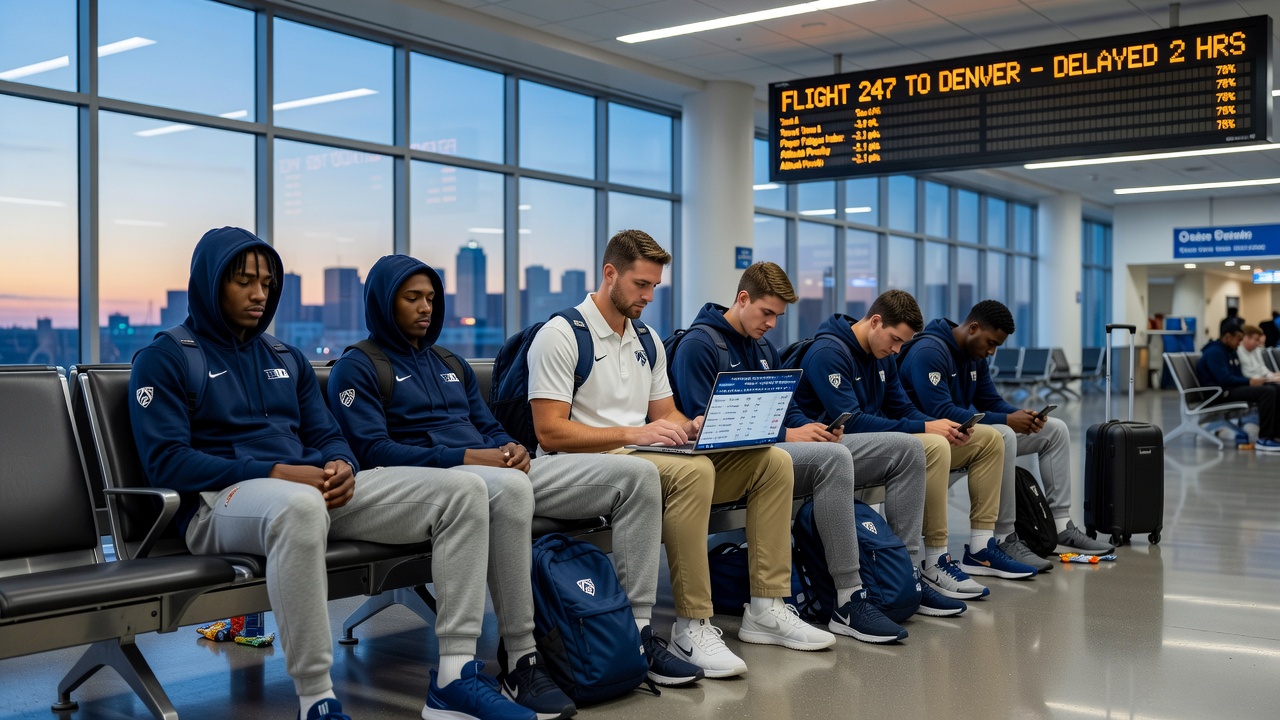
College basketball schedules often require teams to cover thousands of miles between conference games and non-conference matchups, creating measurable performance variations that live bettors track closely. Researchers at various universities have documented how extended flights combined with rapid altitude changes affect player recovery times, shooting accuracy, and defensive intensity during the first half of games. Data from the 2025-2026 season showed multiple programs logging over 25,000 air miles by mid-January, with several squads traveling from sea-level campuses to venues above 5,000 feet within 48 hours.
Altitude Changes and Physiological Responses
Venues such as those in Colorado, Utah, and New Mexico present distinct challenges because reduced oxygen availability alters cardiovascular output and muscle endurance. Studies conducted by exercise physiologists indicate that athletes arriving from lower elevations experience elevated heart rates and quicker fatigue onset during high-intensity bursts, which directly influences field goal percentages and turnover rates in the opening quarters. Observers note that teams playing their first game at altitude frequently post lower three-point conversion numbers until they adapt, typically after 24 to 36 hours on site.
Coaches have adjusted practice routines accordingly, incorporating lighter sessions upon arrival and monitoring hydration levels more rigorously. Performance metrics compiled by athletic departments reveal that visiting teams at elevation sites average 4 to 6 percent fewer points in the first half compared to their season norms when travel exceeds 1,500 miles.
Travel Distance Patterns Across Conferences
Power conference schedules now feature more cross-country trips than a decade ago due to expanded conference alignments and television-driven game placements. Teams in the Big Ten and ACC regularly cross multiple time zones for midweek contests, while West Coast programs face similar burdens heading east. Scheduling data indicates that back-to-back games separated by more than 2,000 miles occur at least once per month during conference play, compounding recovery demands.
Those who analyze game logs find that teams completing overnight flights show elevated foul rates in the second half as physical wear accumulates. Conference reports from 2025 highlight several instances where squads arrived the morning of a game and posted defensive efficiency ratings well below their established averages.
Adjusting Live Wagers Based on Observed Fatigue

Live betting markets respond to in-game indicators such as slower transition defense, increased missed free throws, and longer possession times. Bettors who monitor these signals after the first media timeout often identify opportunities when a cross-country traveler falls behind early. According to athletic performance databases, teams that have traveled across two or more time zones demonstrate a higher likelihood of second-half point total declines once the initial adrenaline subsides.
Examples from the early 2026 season include multiple instances where visiting squads at altitude venues saw their scoring output drop by double digits after halftime. Live wager adjustments frequently focus on total points, player props involving minutes played, and rebounding margins, as fatigue tends to reduce second-chance opportunities. Research compiled by sports analytics groups shows that defensive rebounding percentages for long-distance travelers decrease measurably when games tip off within 36 hours of arrival.
Seasonal Context Entering August 2026
August 2026 brings renewed attention to non-conference scheduling as programs finalize travel itineraries ahead of the upcoming campaign. Athletic directors review previous season data to balance competitive opportunities against player welfare guidelines. Updated NCAA recommendations encourage earlier arrivals at high-altitude sites and limit consecutive long-haul trips when possible, though conference commitments still dictate many dates.
Equipment managers and training staff incorporate altitude simulation tools during summer conditioning to prepare athletes for rapid elevation shifts. These preparations influence how teams perform in November and December road games, providing additional data points for those who track live betting trends throughout the year.
Conclusion
Cross-country travel and altitude exposure create predictable performance patterns in college basketball that extend into live wagering markets. Performance data, physiological research, and schedule analysis supply the factual basis for understanding these effects without relying on speculation. As programs continue refining travel protocols, the available metrics offer ongoing reference points for evaluating in-game adjustments.