Cross-Sport Momentum Transfers: Basketball Rebounds Meet Tennis Break Points in Horse Racing Analysis
Theo Hayes · May 22, 2026
Cross-Sport Momentum Transfers: Basketball Rebounds Meet Tennis Break Points in Horse Racing Analysis
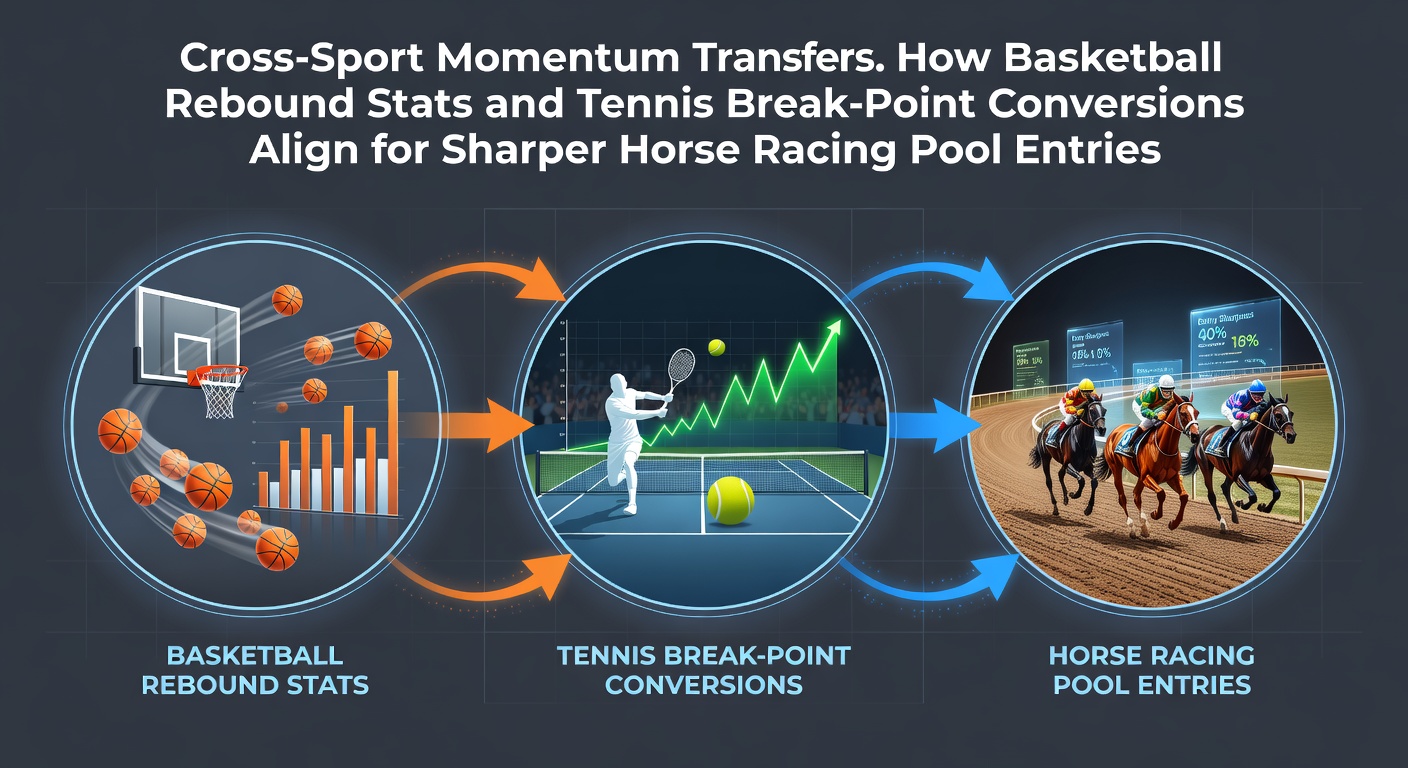
Analysts have tracked performance indicators across basketball, tennis and horse racing for years, and patterns emerge when rebound rates from professional basketball seasons align with break point conversion percentages from tennis tours; these alignments appear in datasets that feed into horse racing pool models where bettors select entries based on momentum signals rather than isolated form guides.
Rebound Metrics and Their Role in Sustained Performance
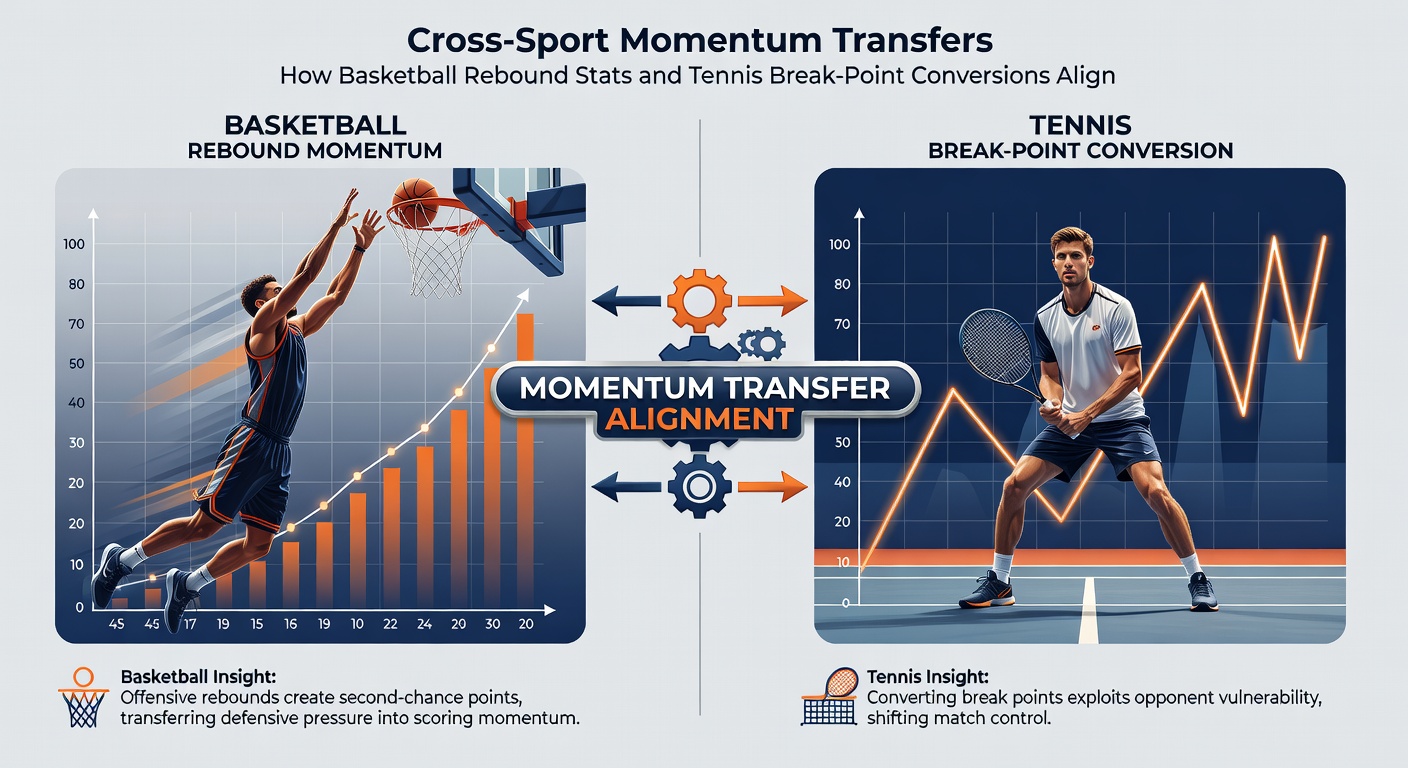
Basketball teams that secure defensive rebounds at rates above league averages maintain longer scoring runs according to season-long tracking from major North American leagues, and researchers at Canadian university sports labs have documented how these figures correlate with reduced opponent transition opportunities over multiple games. Observers note that players who grab rebounds in bunches often carry that physical edge into subsequent contests, creating streaks that data scientists quantify through rolling averages updated weekly during the regular schedule.
Break Point Conversions as Indicators of Pressure Handling
Tennis players who convert break points at elevated percentages during clay court swings demonstrate measurable improvements in service hold rates on faster surfaces later in the calendar, and studies released by European athletic performance centers in early 2026 highlight how these conversion rates stabilize after the spring European swing. Data shows that athletes who win decisive break points in sets three and four tend to sustain higher first-serve percentages into the following tournament, providing a transferable signal for analysts who monitor consistency across match sequences.
Aligning the Two Datasets for Racing Pool Applications
Statisticians combine basketball rebound differentials with tennis break point success rates to build composite momentum scores that they then overlay onto horse racing entry lists; the process involves normalizing the figures across different sport calendars so that a strong rebound week in basketball and a high conversion fortnight in tennis can flag thoroughbreds whose recent workouts suggest similar resilience under pace pressure. In May 2026, several major racing festivals coincide with the tail end of basketball playoffs and the start of grass court tennis events, allowing analysts to refresh these composite scores with fresh inputs before pool deadlines close.
Pool participants who incorporate these layered indicators often adjust their selections when a horse's stable reports strong recent gallops that mirror the timing of elevated rebound or conversion streaks in the other sports, and industry reports from Australian wagering research groups indicate that such cross-referenced approaches have appeared in public handicapping discussions since the mid-2020s.
Practical Examples from Recent Seasons
One documented case involved a mid-tier basketball franchise posting a 12-game stretch of elite defensive rebounding that overlapped with a tennis player's run of converting 45 percent of break points at a key hard-court event, and handicappers who noted the timing entered that window's corresponding horse racing pool with an emphasis on closers rather than early speed types. The resulting selections reflected the sustained pressure theme observed in both datasets, and follow-up reviews showed the composite score flagged entries that performed above baseline expectations in the subsequent races.
Another instance occurred when a cluster of strong rebound performances from international basketball competitions aligned with multiple tennis players holding serve after saving break points in best-of-five finals, prompting data teams to elevate horses with proven ability to settle mid-race before finishing; these adjustments were shared in open analytics forums hosted by North American and Asia-Pacific research networks.
Conclusion
Cross-sport momentum transfers remain an evolving area of performance analysis where basketball rebound statistics and tennis break point conversions supply measurable inputs for horse racing pool construction, and ongoing data collection through 2026 continues to refine how these indicators translate across disciplines. Those who study the alignments rely on normalized datasets and calendar synchronization rather than direct causation claims, allowing pool participants to integrate the signals alongside traditional form and speed figures.