Cross-Sport Training Insights: Basketball Loads Shaping Accumulator Picks Across Soccer and Tennis
Carlo Friedrich · Sep 20, 2026
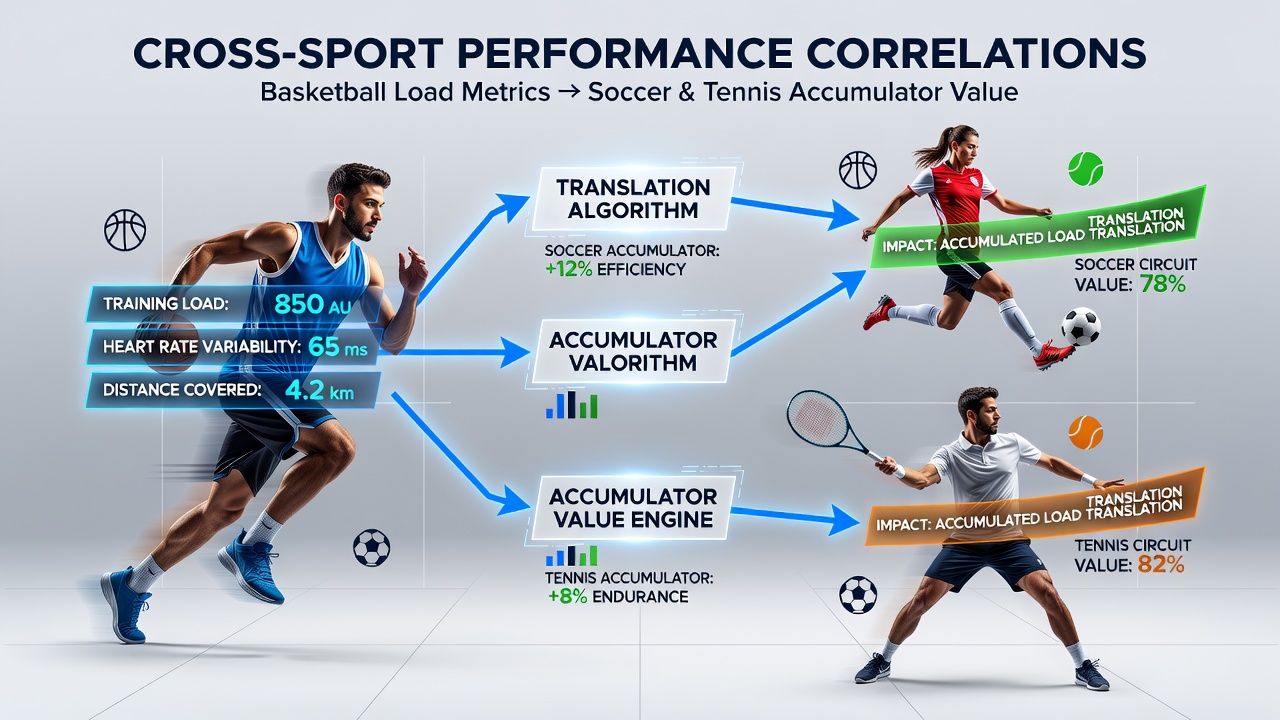
Cross-Sport Training Insights: Basketball Loads Shaping Accumulator Picks Across Soccer and Tennis
Training load metrics collected from basketball programs continue to inform performance modeling in soccer and tennis, with data sets showing measurable overlaps in physical demands that influence accumulator selections during the 2026 season. Researchers track variables such as player load, heart rate variability, and session rating of perceived exertion across these sports, and patterns emerge that allow analysts to project output levels for upcoming matches. Observers note that basketball workloads often feature repeated high-intensity bursts followed by brief recoveries, a profile that shares characteristics with soccer's intermittent efforts and tennis's repeated sprint sequences on court.
Defining Key Training Load Indicators
Basketball monitoring systems record external loads through accelerometers and GPS units while internal loads come from heart rate monitors and subjective scales, and these same tools appear in soccer and tennis environments where practitioners adjust sessions based on comparable thresholds. Studies published in sports science journals indicate that total distance covered, accelerations above 3 meters per second squared, and deceleration counts correlate across the three disciplines when athletes maintain similar weekly volumes. Data from elite programs shows that basketball players averaging 8,500 player load units per week demonstrate carryover effects when transitioning to soccer-specific drills or tennis match simulations, particularly in lower-body power maintenance during September 2026 pre-season blocks.
Observed Correlations in Soccer Contexts
Soccer teams that incorporate basketball-derived load management report fewer soft-tissue injuries during congested fixture periods, according to findings from the Australian Institute of Sport. High weekly player loads from basketball translate into improved repeat sprint ability on the pitch, with midfielders showing elevated work rates in the final 15 minutes of matches when their preparation includes crossover conditioning. Accumulator builders examine these metrics to identify squads likely to sustain intensity across multiple fixtures, focusing on teams whose players exhibit stable heart rate recovery profiles after combined court and field sessions.
Applications Within Tennis Circuits
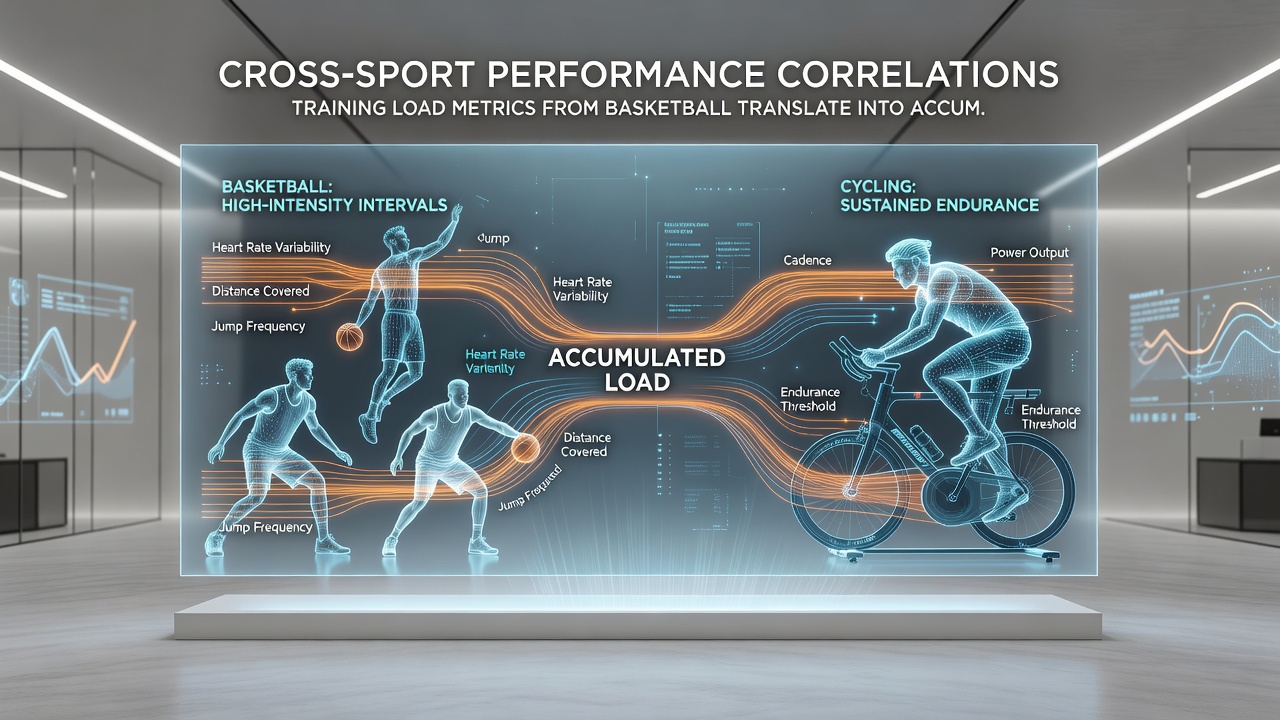
Tennis governing bodies track external load through racket-mounted sensors and court-side GPS, and these measurements align with basketball data on deceleration frequency and lateral movement volume. Players who maintain basketball-style plyometric volumes during off-court work display higher serve speeds and quicker recovery between points, according to research coordinated through the International Tennis Federation. In September 2026, several ATP and WTA events coincide with overlapping training cycles, allowing modelers to flag competitors whose recent basketball cross-training logs suggest elevated readiness for best-of-five formats or doubles accumulators.
Accumulator Construction Using Shared Metrics
Analysts combine basketball workload stability with soccer and tennis fixture schedules to construct multi-leg selections, prioritizing athletes whose monitored sessions show consistent external load without spikes exceeding 20 percent week-over-week. Evidence from longitudinal studies at institutions such as the National Institutes of Health highlights that athletes crossing between these sports maintain neuromuscular freshness when total weekly decelerations remain under individualized ceilings. Operators adjust accumulator odds in real time when pre-match load reports indicate deviations from established baselines, creating value windows during early rounds of tournaments.
Data Integration Practices Across Regions
European sports federations and North American collegiate programs exchange anonymized data sets that reveal consistent transfer effects, while Australian and Asian circuits contribute additional benchmarks from humid-climate adaptations. Those who study these correlations report that basketball-derived eccentric load tolerance supports improved change-of-direction efficiency in both soccer and tennis, directly affecting projected goal tallies or game counts. September 2026 schedules feature several overlapping international windows where such integrated metrics become particularly relevant for multi-sport accumulator structures.
Conclusion
Cross-sport application of basketball training load metrics supplies measurable inputs for soccer and tennis performance forecasting, with documented patterns supporting accumulator construction based on shared physical profiles. Continued data collection across regions refines these models, and practitioners apply the resulting thresholds to identify favorable match outcomes without relying on isolated sport-specific indicators alone.