Integrating Tennis Match Fatigue Data with NBA Player Rotation Insights for Parlay Construction
Carlo Friedrich · Jul 15, 2026
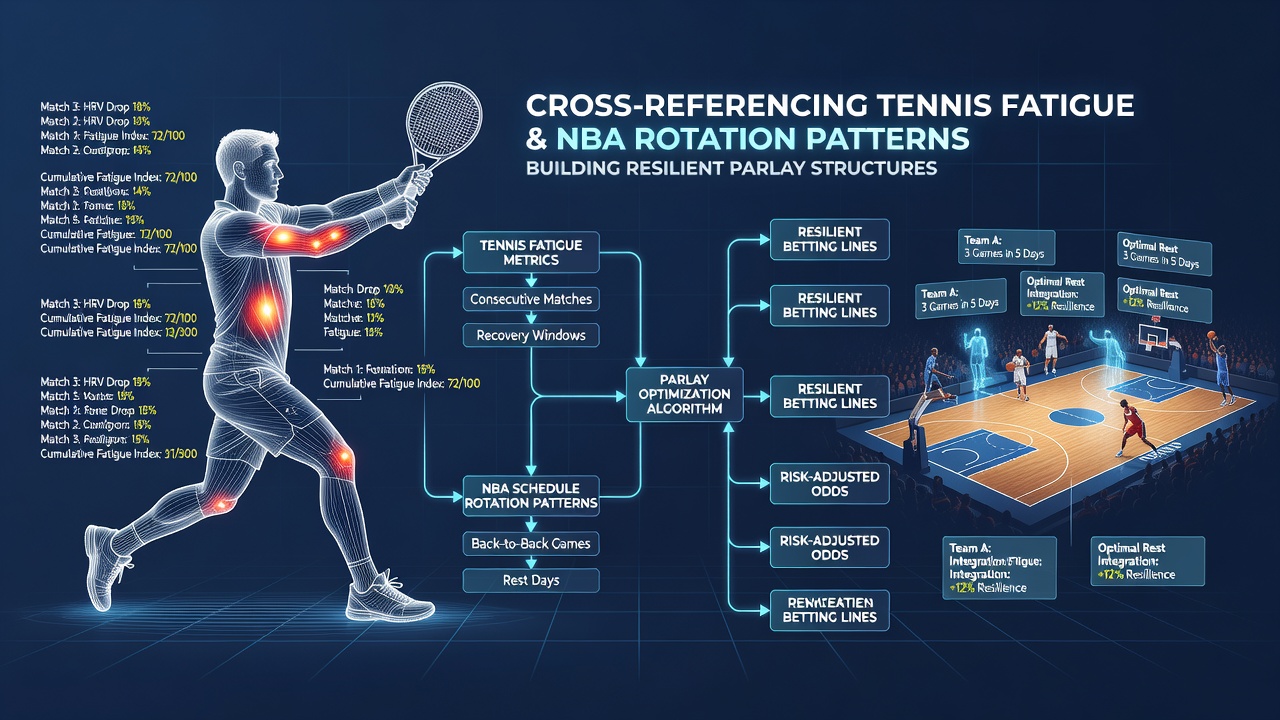
Integrating Tennis Match Fatigue Data with NBA Player Rotation Insights for Parlay Construction
Cross-referencing fatigue metrics from back-to-back tennis matches with NBA rotation patterns creates structured approaches to multi-sport parlay development, and data from professional circuits shows how these elements interact across schedules. Observers note that tennis players often compete in tournaments with limited recovery windows between rounds while NBA teams manage load through planned rest days and lineup adjustments, which produces measurable impacts on performance consistency.
Tennis Fatigue Indicators in Consecutive Matches
Professional tennis data reveals patterns where players who advance through multiple rounds in a single week exhibit declines in serve accuracy and rally endurance, particularly when matches extend beyond three sets on consecutive days. Researchers at academic institutions have tracked metrics such as distance covered per point and error rates in later stages of events, and these figures indicate cumulative effects that accumulate faster on hard courts compared with clay surfaces. Tournaments scheduled in July 2026, including events on the ATP and WTA calendars, continue to highlight these trends as players navigate packed summer schedules.
Studies from European sports science centers demonstrate that recovery time between matches directly influences next-day win probabilities, while variables like travel distance and match duration compound the physical demands. Those who analyze match logs find that players facing three or more matches within five days show reduced first-serve percentages in later contests, which creates identifiable edges when combined with opponent strength ratings.
NBA Rotation Patterns and Load Management
NBA teams apply rotation strategies that distribute minutes across rosters, and league-wide tracking systems record how coaches limit starters during back-to-back games or extended road trips. Data compiled by league analytics departments shows that players who receive reduced minutes in the second game of a back-to-back set maintain higher shooting efficiency and defensive metrics than those who log heavy workloads. Schedules released for the 2025-2026 season include clusters of consecutive games that test these rotation decisions across all thirty franchises.
Performance databases indicate that teams with deeper benches often preserve key contributors for playoff positioning, and this approach produces statistical shifts in points per possession during specific game segments. Observers tracking these patterns note correlations between rest allocation and win rates, particularly when examining Western Conference squads that travel across multiple time zones in short periods.
Cross-Referencing Metrics for Parlay Structures
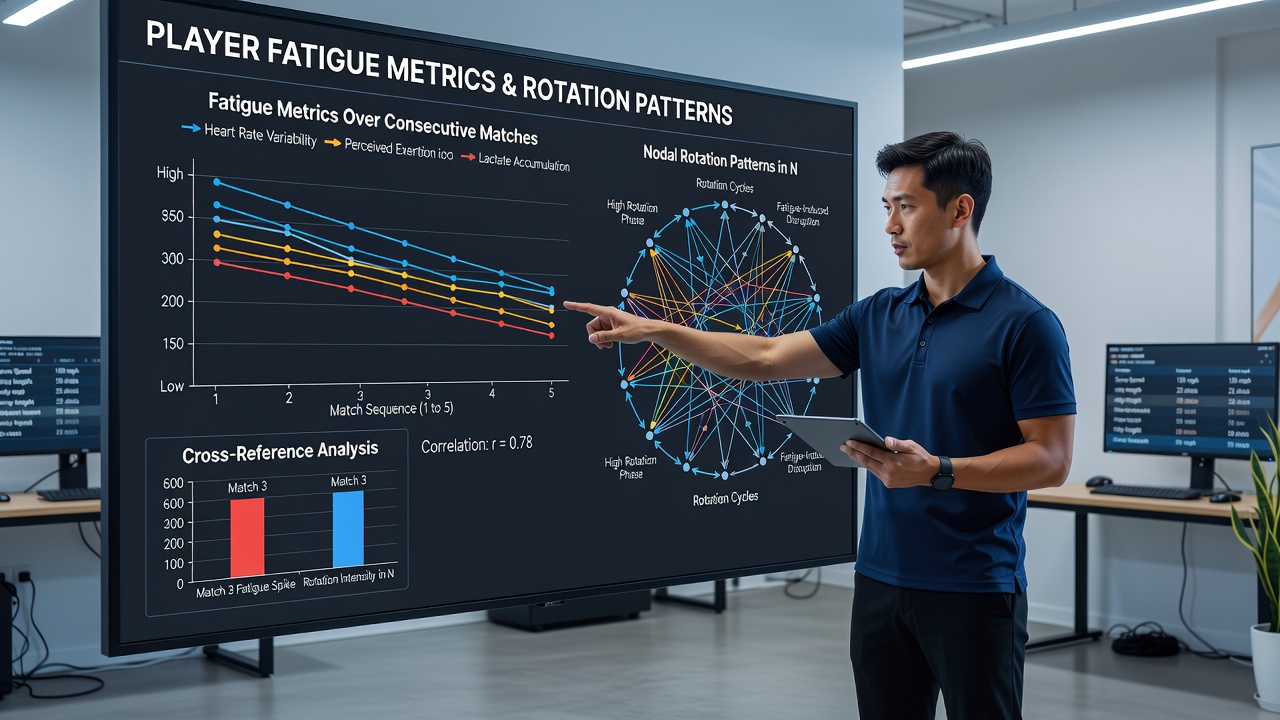
Combining tennis fatigue indicators with NBA rotation data allows for layered parlay construction that accounts for both individual player availability and team-level load decisions. Analysts who review historical outcomes find that selecting tennis matches where a player has competed on consecutive days alongside NBA games featuring rested lineups produces combinations with distinct probability profiles. This method draws on datasets that align tournament calendars with league schedules, and software tools now aggregate these variables into unified dashboards.
Industry reports from North American sports data providers illustrate how multi-sport accumulators benefit when fatigue thresholds are applied across tennis and basketball selections, while Australian gaming research groups have published similar findings on cross-code modeling. External factors such as court surface changes or NBA travel demands further refine these structures, and organizations including the National Collegiate Athletic Association have supported related studies on athlete monitoring that extend to professional levels.
Parlay builders who integrate these elements often prioritize selections where tennis players exhibit elevated error rates after multiple matches and NBA teams show elevated efficiency after rest periods. The resulting combinations draw from verified performance logs rather than isolated statistics, and updates through July 2026 continue to expand the available sample sizes for testing these correlations.
Implementation Considerations Across Schedules
Building resilient structures requires ongoing alignment of tennis tournament brackets with NBA game logs, and timing plays a central role as both calendars feature overlapping periods of high activity. Data from major tennis governing bodies and league tracking systems supports the identification of windows where fatigue effects are most pronounced, which informs selection criteria for multi-leg wagers. Teams and players who follow established recovery protocols demonstrate more predictable outcomes, and this consistency aids in constructing combinations that span several days or events.
Those who maintain updated databases of rotation minutes and match durations report improved alignment between projected and actual results when fatigue variables receive equal weight with traditional performance indicators. Geographic factors, including tournament locations and NBA arena schedules, add additional layers that influence how these metrics interact across different regions.
Conclusion
Cross-referencing fatigue metrics from consecutive tennis matches with NBA rotation patterns supplies a factual foundation for constructing multi-sport parlay structures. Performance data from professional circuits and league records continues to expand the available evidence base, and organizations across multiple regions contribute to the ongoing refinement of these analytical approaches. The method relies on documented statistical relationships rather than isolated observations, which supports systematic application across varying schedule conditions.